The Taiwan Dog: One of the World’s Oldest Breeds, Right Here on the Island
If you live in Taiwan, you’ve almost certainly seen one — a lean, alert dog with a triangular head, upright ears, and an expression that seems to be sizing you up. What you might not know is that you’re looking at one of the oldest dog breeds on the planet.
The Taiwan Dog, also known as the Formosan Mountain Dog (福爾摩莎犬), has a history that stretches back further than most people imagine.
An Ancient Arrival
Taiwan Dogs have been genetically traced back between 10,000 and 20,000 years ago, making them one of the oldest and most primitive dog breeds in the world. They arrived on the island together with the Austronesian tribes who settled Taiwan and made their living by hunting and fishing.
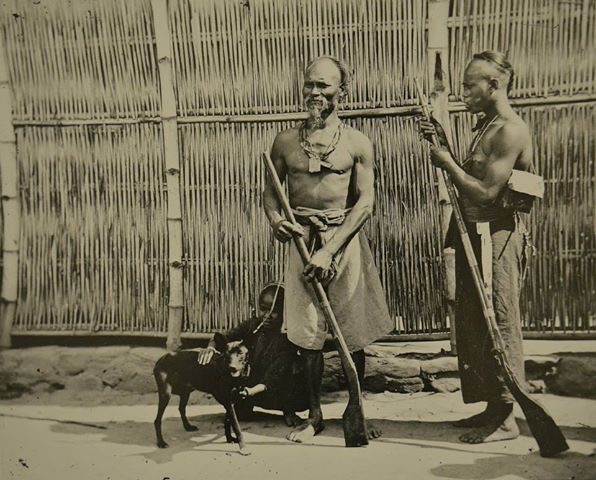
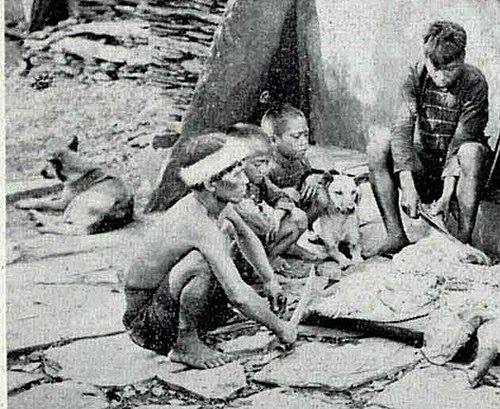
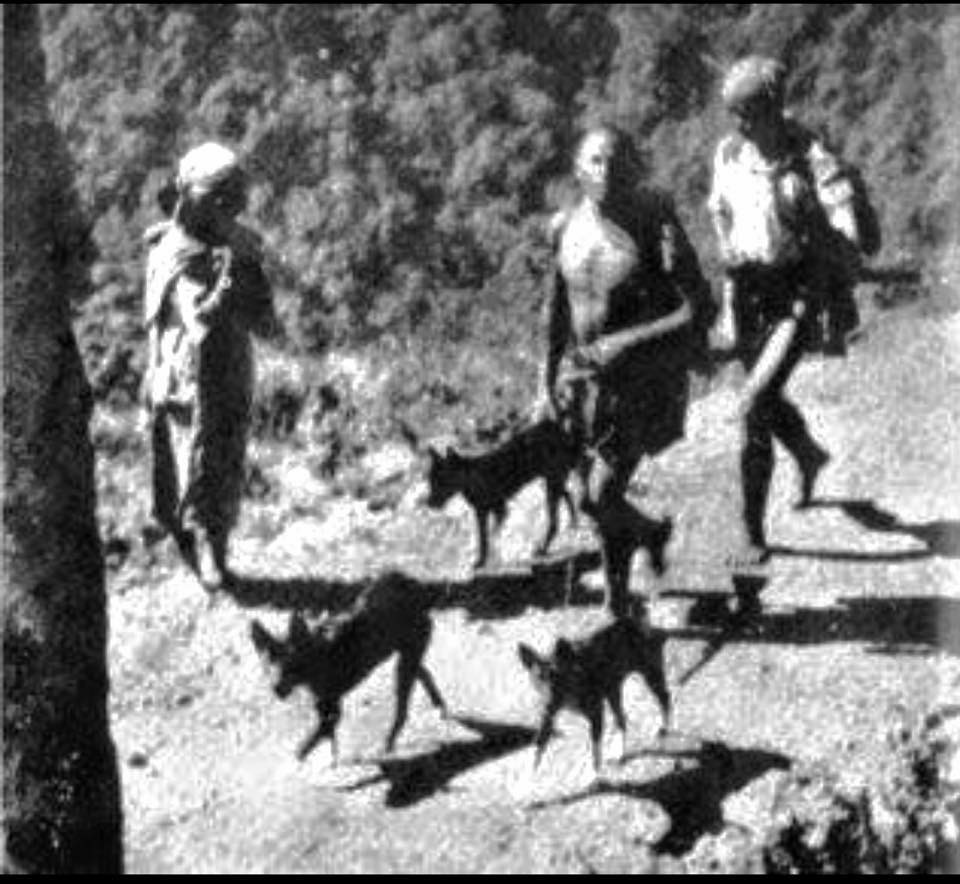
The native aborigines kept their dogs in a semi-feral state — living close to humans, yet still apart, and capable of fending for themselves. These weren’t pampered pets. They were working partners, built for Taiwan’s steep, densely forested mountain terrain, prized for their speed, endurance, and loyalty on the hunt.

Centuries of Disruption
Taiwan’s colonial history took a heavy toll on the breed. Taiwan remained isolated until the 17th century, when Dutch and Portuguese traders established colonies on the island. The Dutch brought with them a so-calledd “flying dog” — likely a sighthound or pointer type — to hunt the native sika deer. As the deer population dwindled, colonists slaughtered the aborigines’ dogs to stop them competing on the hunt, and the few Taiwan Dogs that survived were interbred with these imported animals.
It didn’t stop there. In 1895, the Japanese occupied the island and thousands of dogs were again slaughtered. Foreign breeds — including Akitas and Shiba Inus — once more disrupted the native bloodlines. Later, the introduction of Chinese culture, including dog eating, pushed the breed to the edge of extinction.
By the mid-20th century, the purebred Taiwan Dog had nearly disappeared entirely.
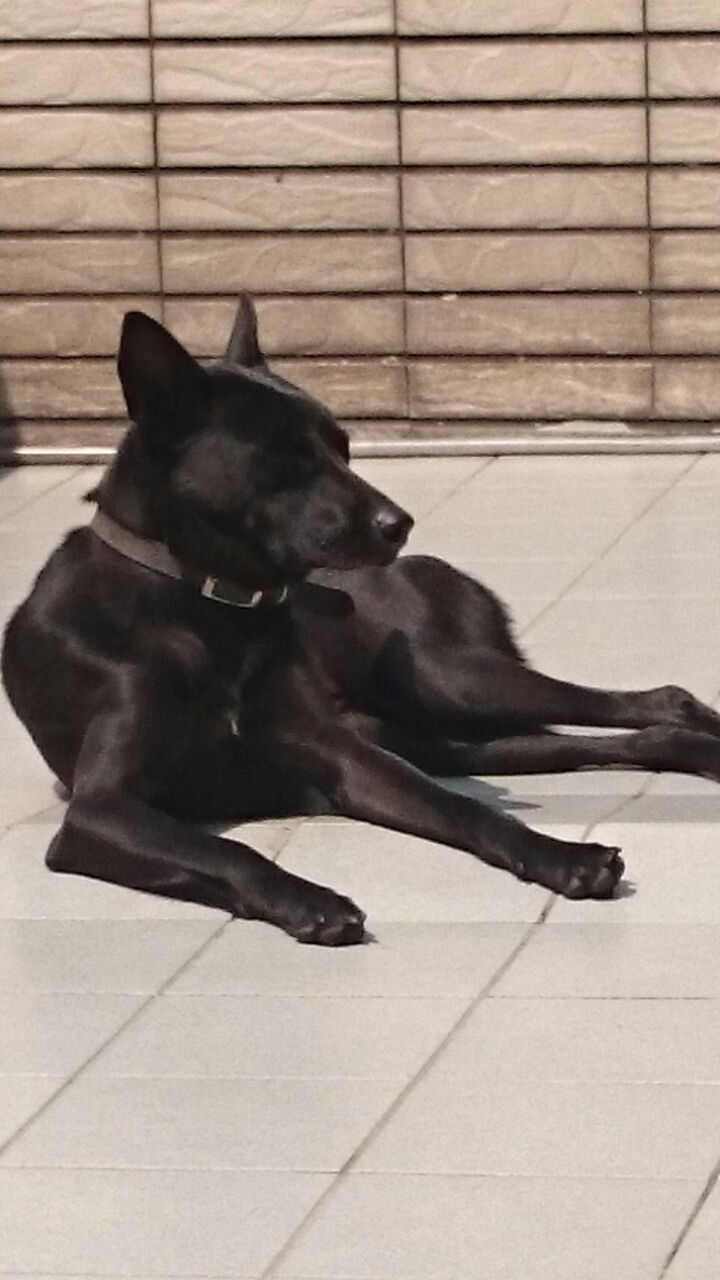
This is my own Taiwan Dog ( she is almost certainly a mix ) I was walking my own dogs by the river near my new home in Taipei and saw her and her sister on a footbridge, they were around 4 weeks old. I took them home and we found a home for her sister but Faith stayed with us. She’s 14 now , and is a wonderful dog. A dogs dog, she’s interested in smells , cats, given half a chance she would go off and explore alone. She’s very in tune with how everyone feels. As a trainer she has taught me a lot about Taiwan Dogs, she in her younger days used to accompany me on lessons when a dog didn’t know how to act around other dogs. She knew her role and helped many dogs.
Pulled Back from the Brink
Fortunately, Dr. Sung Yung-yi, together with a group of breed enthusiasts, initiated a major effort in the 1970s to save the purebred Taiwan Dog. They located around 160 dogs in the mountainous regions of the island — of which only 46 were considered truly purebred. A breeding program was launched from those 46 dogs, later continued by Dr. Sung’s son, Ming Nan Chen.
In 1980, a collaborative study was conducted by researchers from National Taiwan University, Nagoya University, and Japan Gifu University. Researchers visited 29 different indigenous tribes in the central mountains and confirmed that the Taiwan Dog did indeed descend directly from ancient South Asian hunting dogs.
The Taiwan Dog was recognised by the FCI (Fédération Cynologique Internationale) on a definitive basis in 2015.
Temperament: What Living With a Taiwan Dog Is Really Like
Understanding this breed’s history explains a lot about its personality. These are not dogs bred over centuries for human approval. They survived by being sharp, self-reliant, and cautious — and those instincts don’t disappear just because they’re living in a Taipei apartment.
Taiwan Dogs tend to be intensely loyal to their own family while remaining wary of strangers. Early socialisation is not optional with this breed — it’s essential. A Taiwan Dog that grows up with limited exposure to people, environments, and other animals can become fearful or reactive, and fear is almost always the root of problem behaviour in this breed.
That said, when properly raised and socialised, the Taiwan Dog is an exceptional companion. They are alert, affectionate with their people, and possess a kind of quiet intelligence that owners quickly come to appreciate. They also have a strong prey drive — a direct inheritance from thousands of years as hunting dogs — so recall training and leash manners deserve serious attention from day one.
Trainability: Primitive Breed, Sharp Mind
Taiwan Dogs are highly intelligent, but intelligence in a primitive breed doesn’t always look like the eager-to-please attitude you might see in a Labrador or Golden Retriever. These dogs think independently. They will learn quickly, but they’ll also question whether a command is worth following — which makes the trainer’s approach matter enormously.
Positive, reward-based training works well with this breed. Harsh methods tend to backfire, creating a dog that shuts down or becomes avoidant rather than one that engages willingly. Consistency, patience, and building genuine trust with the dog are the foundations of success.
Because of their sensitivity and independent nature, Taiwan Dogs benefit enormously from working with a trainer who understands primitive and working breeds. If you’ve taken on a Taiwan Dog — rescue or puppy — and you’re finding the training challenging, Taipei Dog Training offers professional guidance tailored to the individual dog, not a one-size-fits-all programme. Get in touch with Taipei Dog Training to discuss what your dog needs.
The Breed Today
There is an ongoing debate between two groups of breeders — those who want to keep the breed’s purity intact, and those who believe controlled outbreeding with foreign dogs is necessary to maintain genetic stability. Currently, dogs bred by both groups are registered as purebred, though some argue only the fully purebred line should carry the Formosan Mountain Dog name.
What’s not in dispute is the dog’s character. Alert, loyal, highly intelligent, and deeply bonded to their people — these are dogs shaped by tens of thousands of years of working alongside humans in some of Taiwan’s most challenging terrain. That doesn’t vanish with a few generations of city living.
If you share your home with a Taiwan Dog, you’re not just keeping a pet. You’re keeping a living piece of the island’s history.
Own a Taiwan Dog in Taipei?
Whether you’re navigating the challenges of a rescue with an unknown background or raising a puppy from the start, Taipei Dog Training has worked with this breed and understands what makes them tick. See our training programmes and find the right fit for your dog.
Do I Recommend Taiwan Dogs as Pets ?
The simple answer is yes. Ive lived with one for 14 years and never regretted it for a moment, when my son was born there were no problems she’s been gentle with him all the time. Like all breeds there are a range of personalities, this is definitely true of Taiwan Dogs as they have so many potential other breeds in their make up. The vast majority are mixes even if labelled Taiwan Dogs ( or Formosan Mountain Dogs ). But I have worked with shelters that are full to the brim with Taiwan Dogs, I have helped families assimilate these dogs into their lives hundreds of times. With patience they become loyal members of the family, they may be shy with strangers on occasion, but on the whole they are confident affectionate dogs.